
Ultrasonic Rhinoplasty
Precise Contouring. Less Bruising. Faster Recovery.
A Paintbrush for Bone
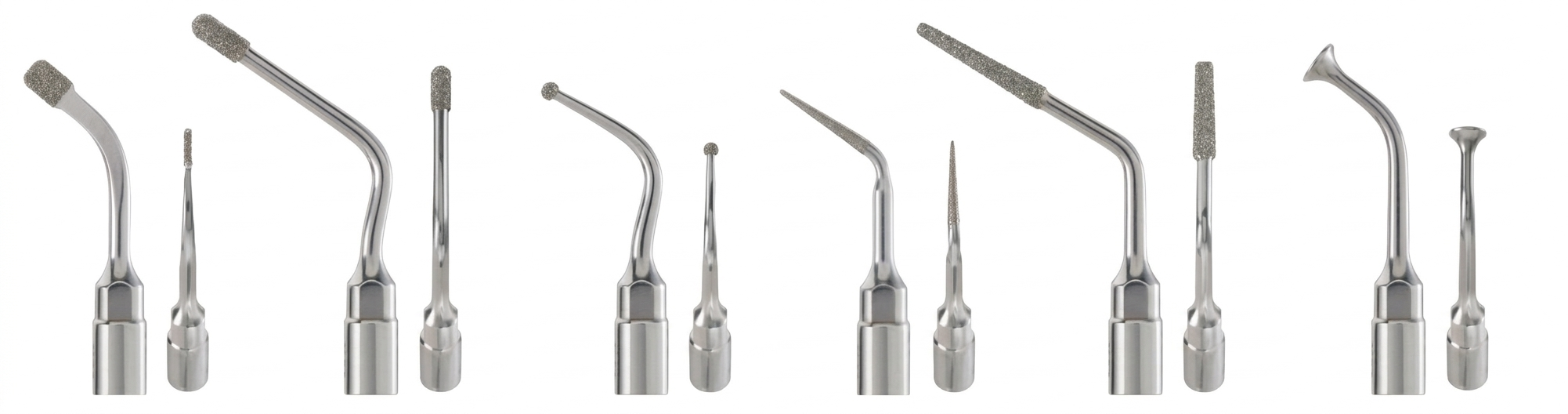
In almost every rhinoplasty, some degree of bone contouring is required, as the nasal bones make up a large portion of the nose's structure. Ultrasonic rhinoplasty, also called piezoelectric rhinoplasty, replaces the manual chisels and rasps used in conventional rhinoplasty with a gentle tip that uses ultrasonic vibrations.
Traditional instruments require force, whether a hammer or elbow grease, to do their work. That force transmits through the nose's delicate tissues and can result in unpredictable breaks or adjacent tissue trauma. The piezo device requires none of that. The tips affect only bone and not the surrounding soft tissue, meaning true precision, less trauma, better results, and a faster recovery.
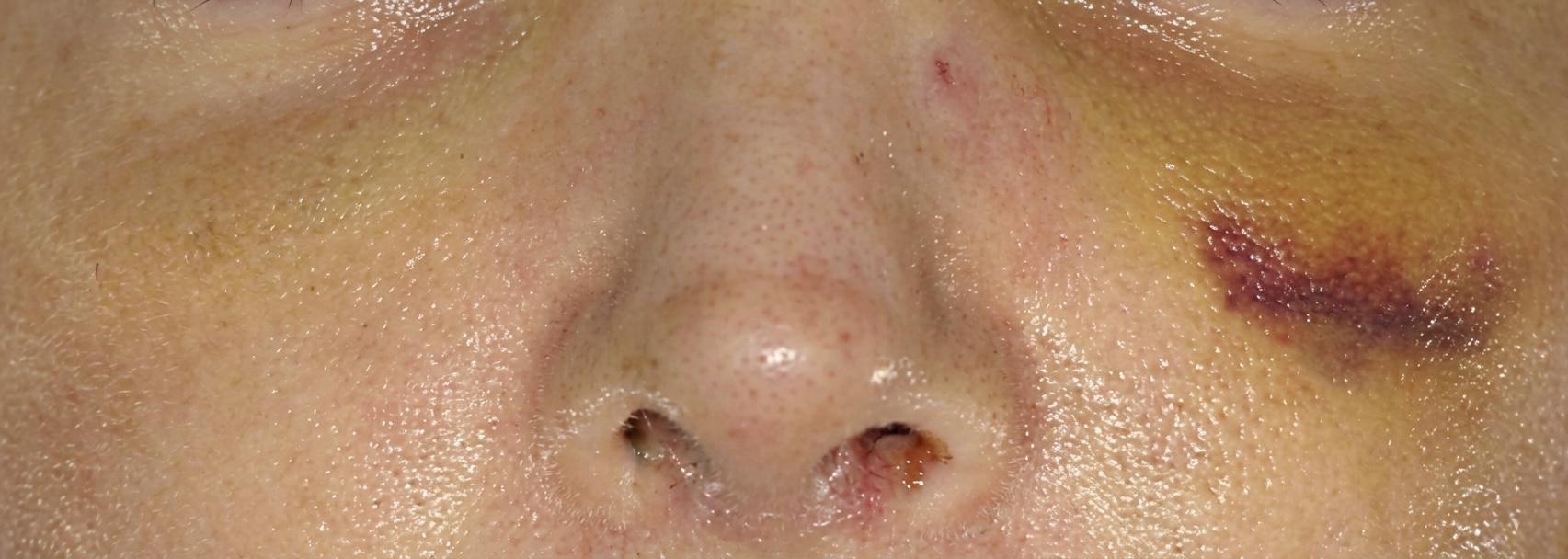
This is what recovery looks like.
This patient is just days out from rhinoplasty performed with piezoelectric technique. No significant periorbital bruising. Mild swelling present, as expected — but nothing that prevents a return to everyday life.
This is not an exceptional outcome. For patients undergoing procedures that involve bone work with the ultrasonic device, this kind of early recovery is typical. Less bruising means less explaining. Less time waiting to be comfortable in public. A faster return to being yourself.
The cast comes off at one week. Most patients are socially presentable shortly after. The nose continues to refine over the following months — but the hardest part of recovery, for most people, is over far sooner than they expect.
Individual results vary. Photo shared with patient permission. Swelling resolves progressively over the first year — what is shown here is an early stage of healing, not the final result.
Soft tissue is spared, substantially reducing periorbital bruising after surgery.
Less bruising means a faster, more comfortable return to everyday life.

Evidence based.
A prospective, controlled study comparing piezoelectric and conventional osteotome technique in live rhinoplasty patients.
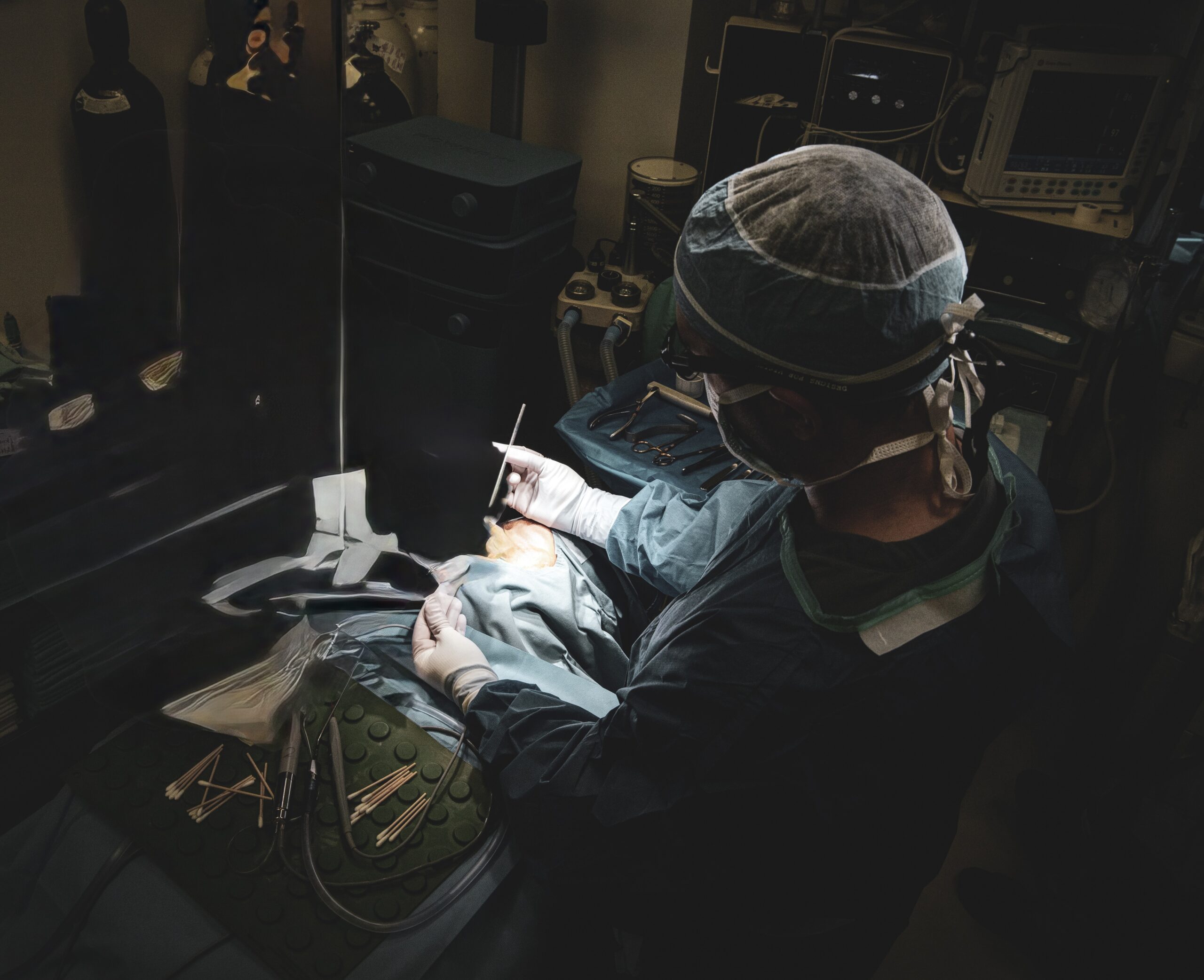
Dr. Hashemi conducted a prospective randomized research study comparing the piezoelectric device to a chisel in rhinoplasty. Bruising and swelling were assessed photographically at standardized post-operative intervals.
The results yielded a clear directional finding with statistical significance (p<0.01).
"The piezo device side showed less bruising than the chisel while performing work on the nasal bones in Rhinoplasty."
FAQ — Ultrasonic Rhinoplasty
Yes — and it is particularly valuable in revision cases. Altered tissue planes and scarring from prior surgery make precision more critical, not less. The piezo allows Dr. Hashemi to sculpt changed anatomy and position grafts with sub-millimeter control, with less disruption to the surrounding soft tissue than conventional instruments.
Yes. The piezo is well suited for functional work involving the bony nasal airway — including bony septal deviations and turbinate reduction involving bone. It removes obstructions atraumatically, with minimal disruption to surrounding tissue. Functional and cosmetic goals are often addressed together in a single operation.
Dr. Hashemi has the piezo available for every rhinoplasty. It is used whenever the procedure involves the nasal bones — hump reduction, bridge narrowing, osteotomies, or asymmetry correction. Tip work involves cartilage rather than bone, so ultrasonic instrumentation is not the primary tool there, though many cases involve both.
Dr. Hashemi's published research found the piezo side showed significantly less bruising versus the conventional osteotome side, with strong statistical significance. Individual variation applies. Many patients are socially presentable within seven days of surgery.
The post-operative protocol is the same regardless of technique — head elevation, activity restrictions, cold therapy, medications, and wound care all apply identically. What changes is the experience of recovery: less bruising means a faster, more comfortable return to everyday life.
No. The fee structure at Bay Aesthetics reflects the procedure as a whole — not the specific instruments used. Patients are not charged a premium for ultrasonic technique. Pricing is discussed transparently during consultation.
Other rhinoplasty procedures
Piezoelectric technique is one part of a broader rhinoplasty practice. Each procedure type serves a different patient need — many patients benefit from more than one approach addressed in a single operation.
About Rhinoplasty
Comprehensive overview of the rhinoplasty process: consultation, surgical planning, technique, recovery, and long-term results.
Functional Rhinoplasty
Correction of nasal obstruction from a deviated septum, valve collapse, or turbinate hypertrophy — often combined with cosmetic work in a single procedure.
Revision Rhinoplasty
Secondary surgery to correct or refine a prior rhinoplasty result. Among the most technically demanding procedures in facial plastic surgery.
Precision where it matters. Recovery that reflects it.
For patients whose goals involve the nasal bones, the choice of technique matters. A consultation is the right place to review your anatomy, your goals, and whether piezoelectric rhinoplasty is part of your plan.