
The Case for the Natural Face
By Dr. Sean Hashemi, MD, Facial Plastic and Reconstructive Surgeon, Bay Aesthetics, Palo Alto
The face is unlike anywhere else on the body. Bone, cartilage, ligament, fat, muscle, and skin are stacked in layers that have to move together hundreds of times a day. These features define us. They are how we connect and communicate with each other, personally and professionally, all day, every day. Nothing else on the body carries that burden.
As newborns we learn to track a face before almost anything else. As adults we read temperament, mood, fatigue, honesty, and age from a face in a fraction of a second, and most of that reading happens below conscious thought. The face is how another person knows you, in the most potent way there is.
What the current moment gets wrong
When it comes to plastic surgery, operating on the face is different from operating anywhere else. The implications are bigger. And for decades, plastic surgery has been synonymous with exaggerated changes to the face. Now the picture has shifted again. Social media puts a steady stream of perfected faces in front of everyone, and injectables have made altering the face more accessible than it has ever been. That wide access to the full spectrum of facial change has produced some strange results.
Jia Tolentino, a writer for The New Yorker, gave it a name in a 2019 essay: “Instagram face,” a composite look of poreless skin, full lips, high cheekbones, a small nose, and catlike eyes that had started to appear on the most visible women online. This summer she returned to the subject and argued that the trend has only continued. Procedures are cheaper and more available, the expectation of achieving an edited face has hardened, and the pressure has spread to teenagers, to young men, and even to the AI image generators that now define what the aspirational face looks like.
I see the downstream effects of all of this in my consultation room, and I think she is right about a lot of it. But there is a distinction her essay does not clearly draw, and it deserves a response from someone working in the field.
The problem is not plastic surgery or aesthetic treatment in itself. The problem is when it is done for the wrong reasons, toward the wrong target, by people who do not respect or value the natural components of the face.
Correction versus transformation
There is a difference between surgery that corrects and surgery that transforms.
Correction addresses a specific problem. In cosmetic work it is usually the goal of rejuvenation procedures for the aging face or after weight change: eyelid surgery, facelift, neck lift. It sets things back. It returns a face to what it once was.
Transformation has a different goal. It changes the appearance to something the face never looked like. Outside of trauma repair, rhinoplasty is the clearest example. The nose has to sit in balance with everything around it, and in these cases a nose the person never had is shaped to match the rest of their features.
There is nothing wrong with transformation in itself. But it can be taken too far. It can make someone look like a different person altogether, or like an image, or like a template that a social media feed has decided is beautiful. Almost everything people are worried about lives in that category.
What natural plastic surgery actually looks like
“Natural results” has become a familiar phrase. It comforts patients when they hear it. But not every surgeon delivers it, and not every surgeon or patient actually wants it. So what does a natural result mean? A picture says more than I can.
Rhinoplasty: like it was always there
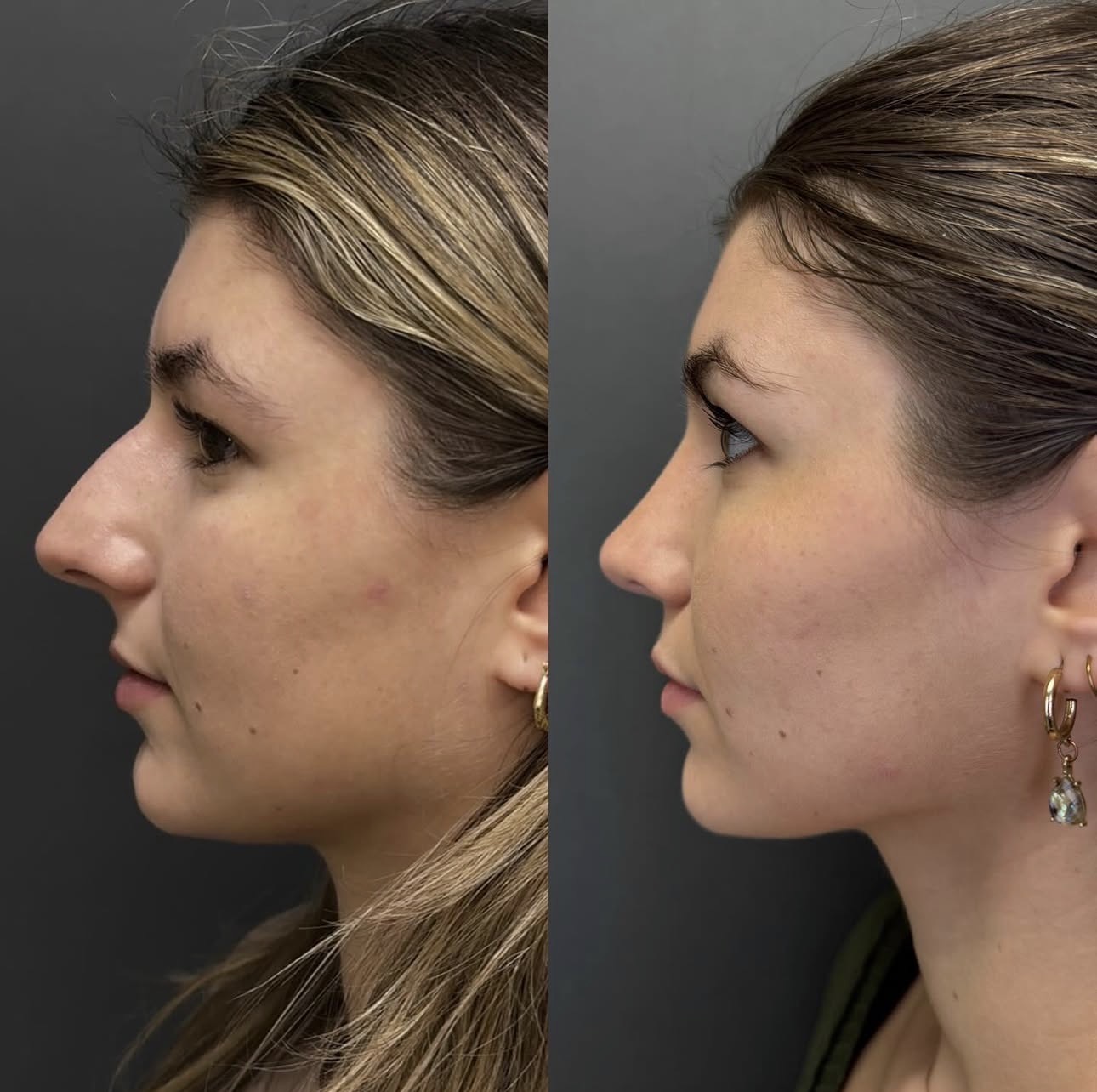
Rhinoplasty can be a bold change. That is not a contradiction of a natural result. The point is to match the new nose to the rest of the face so that out in the world it reads as a nose that was always meant to be there. Sometimes the other features of a face predict a certain nose, and the actual nose does not match. There is nothing wrong with that. Unique and unexpected can be beautiful. But if a person does not want that mismatch, that is also fine, and the surgeon’s job is to build a nose that belongs to that particular face, not to a photograph of someone else’s.
Read more about rhinoplasty.
Deep neck lift: beyond lifting
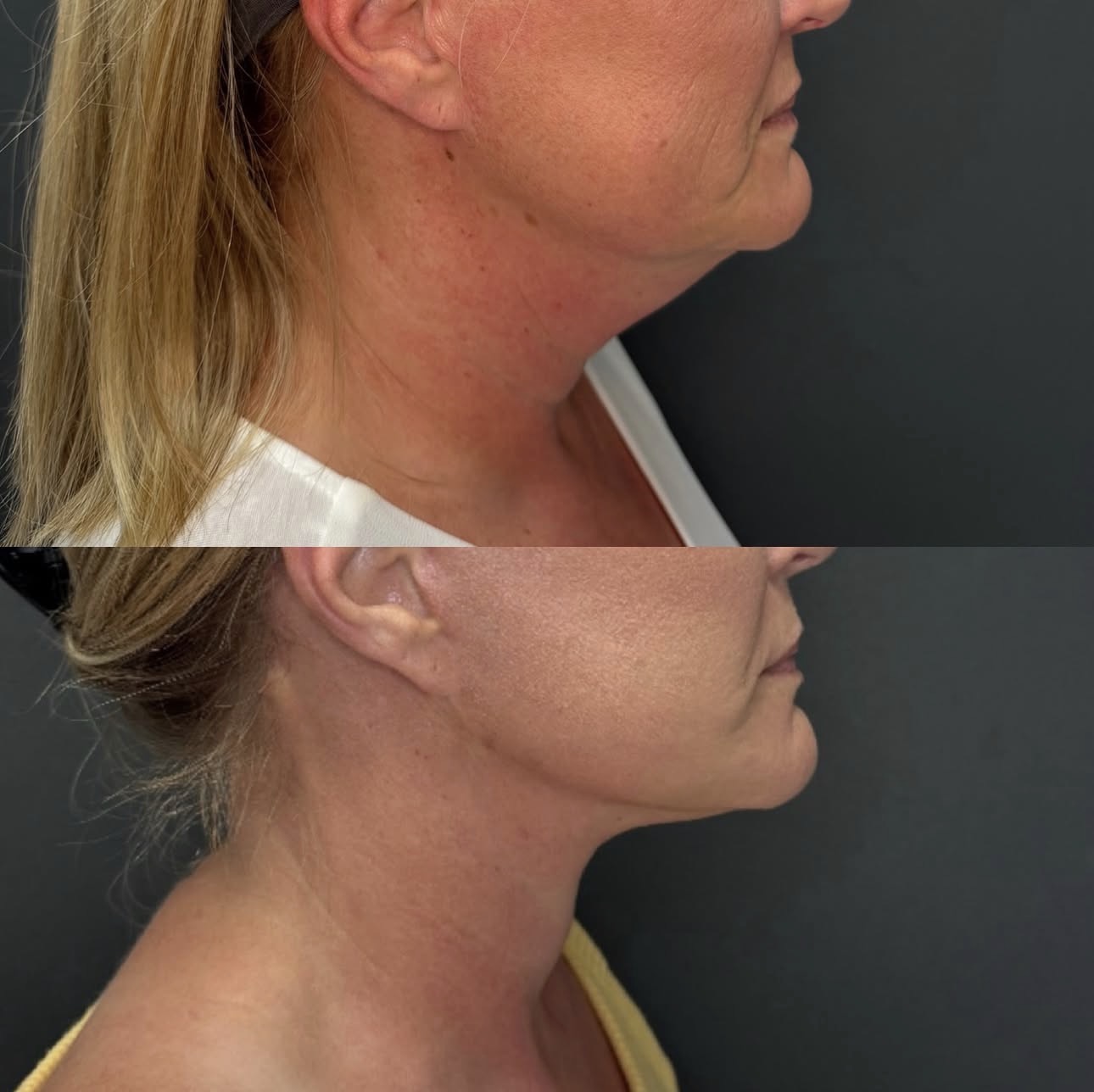
Some necks stay heavy or obtuse no matter how much diet and exercise a person puts in. This is often not a weight problem at all. It is congenital, in the deep structures of the neck. A deep neck lift reshapes that anatomy directly. The goal is a neck no one on the street would look at twice, except perhaps to admire the contour.
That is the whole goal. Read more about facelift and neck lift.
Lower blepharoplasty with fat grafting: a surgical good night’s sleep
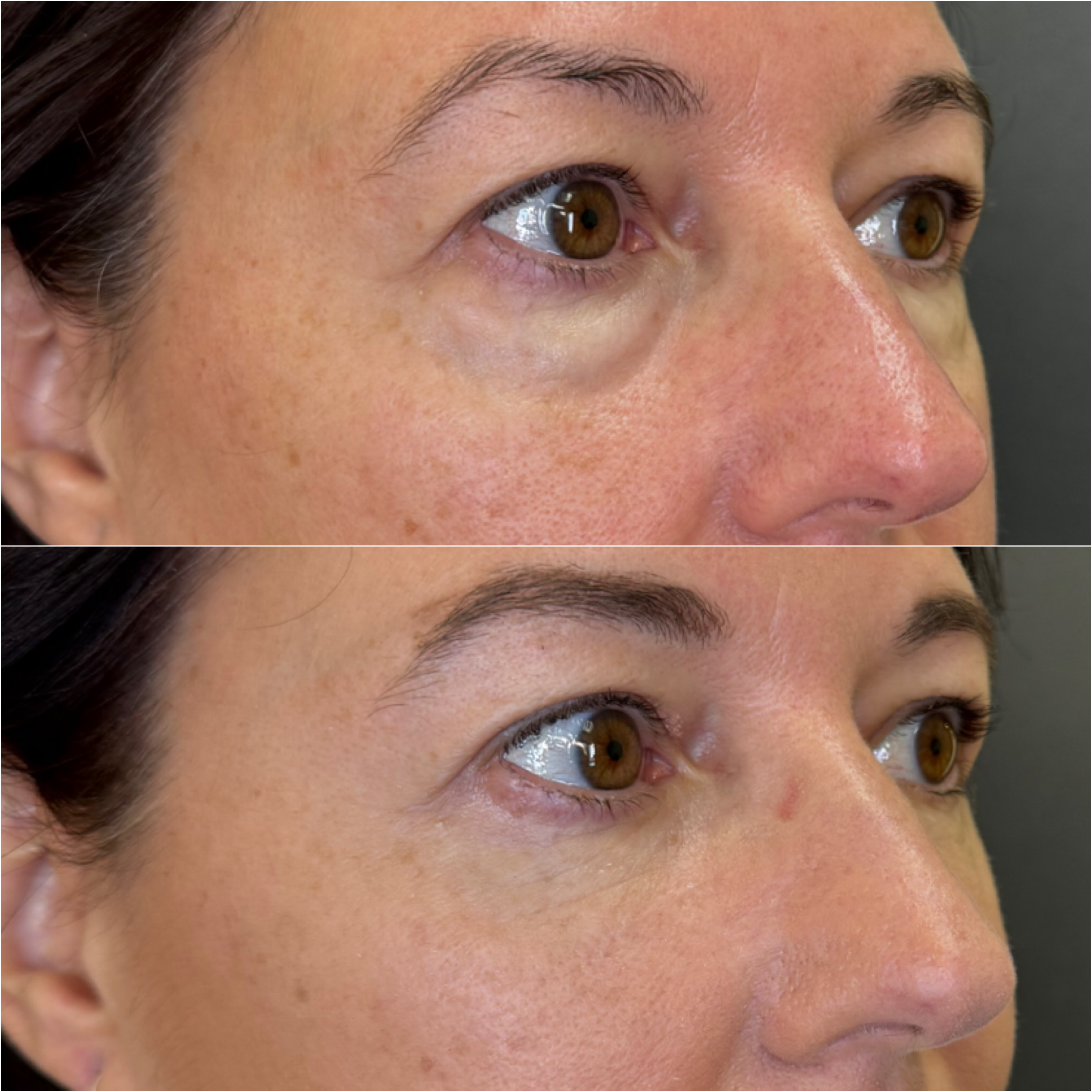
No scars. No change to the shape of the lids. And no oversized, fake-looking cheeks, which is what people fear when they hear “fat grafting.” Nobody would be the wiser. The bags come down without leaving evidence of surgery or creating a new problem, such as hollowing or a change to the eye shape.
Read more about lower blepharoplasty.
Upper blepharoplasty: lighten the lids, don’t change the person
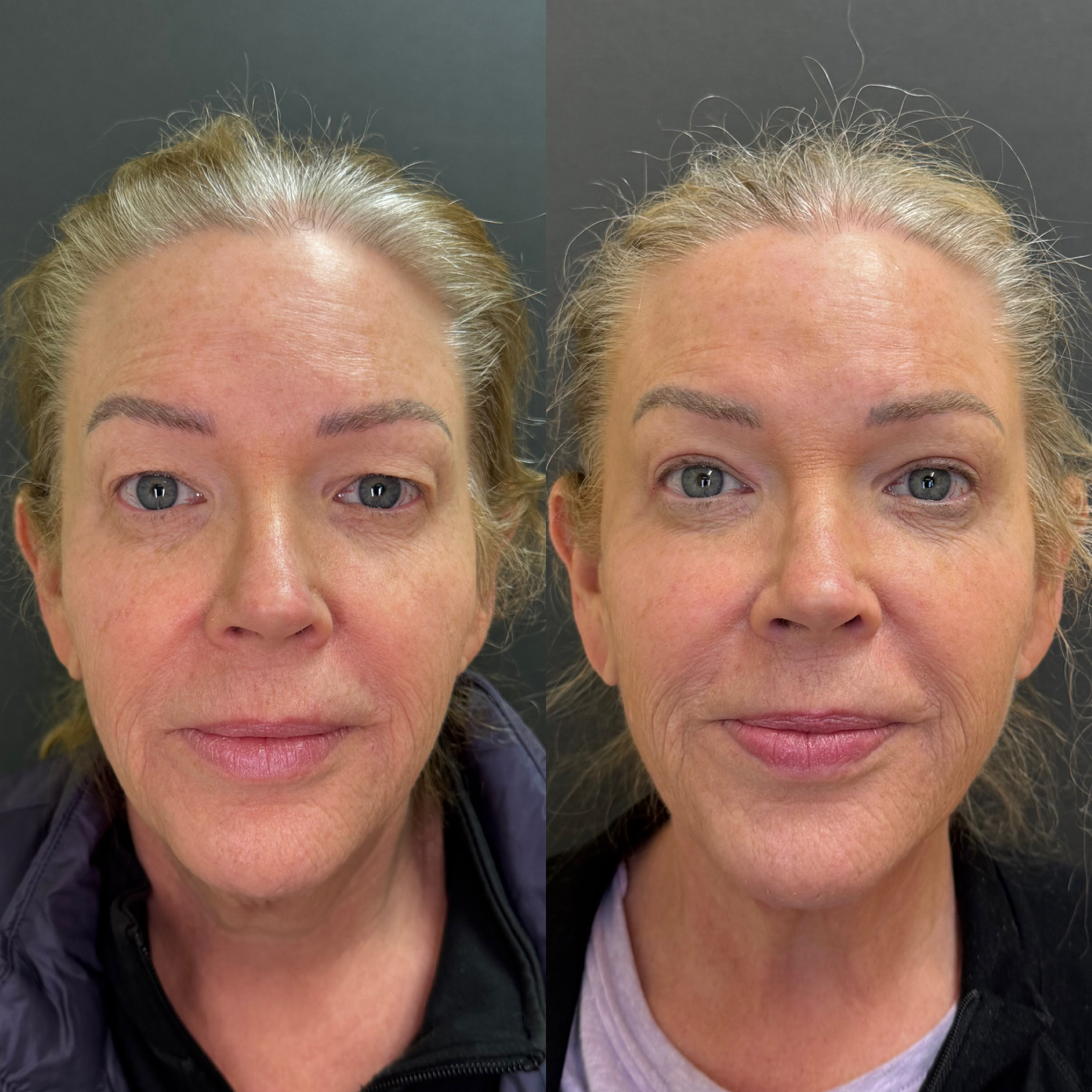
Upper eyelid surgery shows up in a lot of celebrity before-and-afters where someone’s look visibly changed. If your face is your livelihood and everyone knows it, that is a real consideration. But a tasteful skin excision to reduce folding and hooding is a different thing. It refreshes the eyes and addresses one of the earliest signs of aging, with a scar hidden in the natural crease. In the before and after, the person looks the same. They simply look less tired.
Read more about eyelid surgery.
Indications, not fantasy
If you take the face seriously, you have to be willing to say no. Someone else may be able to execute a given wish. That does not mean it has to be you.
Plastic surgery is an art project. Do not let anyone tell you otherwise. Yes, the steps are rehearsed and predictable. But every patient is different in ways that are nearly countless, and getting to the end result requires a stepwise accounting of those differences. Every surgeon has a style, and that judgment is applied at each step. This may be the biggest thing patients do not understand about what separates one plastic surgeon from another. It is not just the final result. It is the algorithm that gets there.
So if you ask a surgeon to step outside that style, you are asking them to change their algorithm, and suddenly the outcome is no longer in the realm of high expectation. If a patient shows me a result they are seeking that does not fit how I operate, I do not want to be in a position of uncomfortable creativity at some step in the sequence. I enjoy a challenge, but the end result has to be something I am comfortable signing my name to.
The parlance of our times has arrived, hopefully only briefly, at “looksmaxxing.” This obsession with aesthetic improvement may be exactly what Tolentino predicted. The idea of ideal proportions is not new. It runs from the roots of plastic surgery back to the proportions documented by Leonardo da Vinci. But in my style, trying to create a whole new person is trouble. Focusing on specific changes is not. It is the surgeon’s responsibility to separate a real anatomic indication from an idea imported from a phone, explain what surgery can and cannot do, and, when appropriate, decline.
What I tell patients
Real over filters. You do not need surgery to look like a filtered photo. Your phone will do that for free. Real-life results are different from filters and morphs.
Correct the problem, do not create one. The best surgery addresses one thing well and makes nothing worse. Make the nose pretty, but it still has to breathe. Rejuvenate the eyes, but do not hollow them out, and never interfere with vision.
Imperfections are part of beauty. Small asymmetries are how the people who love you recognize you, and they may be part of the reason they do. Surgery is for you, not for the people around you. But asymmetries and imperfections are not inherently bad, and they should not be the sole reason to pursue surgery.
The result should still look like you. The best surgery can feel a little anticlimactic. Nobody notices. Did anything happen at all? Yes. You will notice, and we can obsess over your before-and-afters together. But you do not want casual onlookers thinking you had something done. That is the best kind of surgery.
We have the ability to do this
What the critics fear is real. I am not denying it. But it is not inherent to plastic surgery. The face is enormously important, and it is your prerogative to maintain and improve it as you see fit, within reason. So despite what is out there, do not conclude that surgery is the enemy of the natural face. Jumping on the trend of shunning plastic surgery is in some ways just as bad as jumping on the trend of reckless plastic surgery.
Natural surgery is possible. It is specific. It starts with respecting the face enough to change only what needs changing. The techniques are there, the training is there, and the instrumentation is there.
The face is how another person knows it is you. The best thing a surgeon can do is keep it that way. Communicate openly, ask questions, and research your surgeon.