

DEEP PLANE FACELIFT
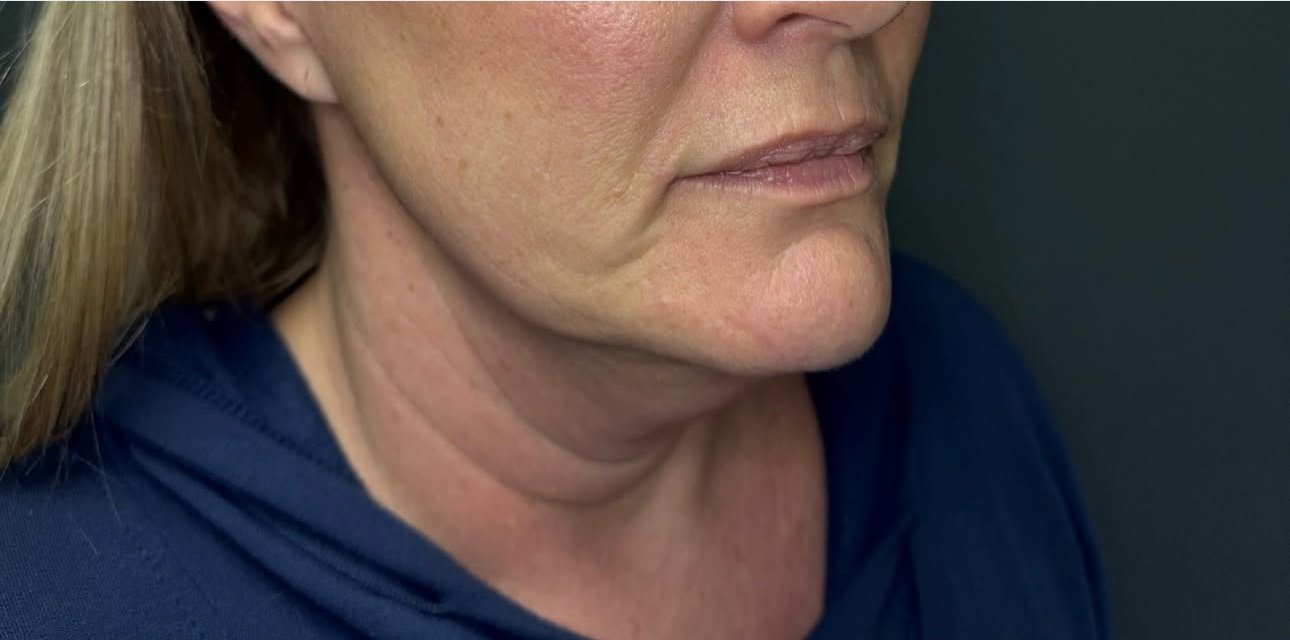
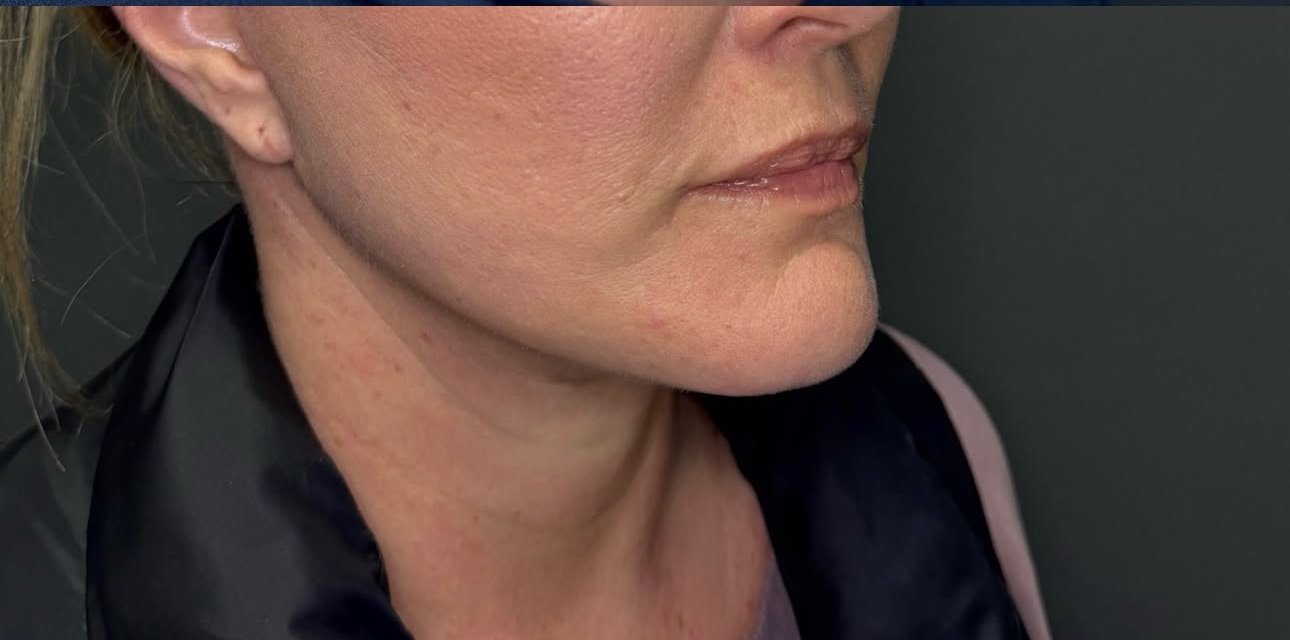 Before
After
Before
After
What is a deep plane facelift?
A deep plane facelift repositions the deeper layers of the face rather than tightening the skin over them. Dr. Sean Hashemi, a double board certified facial plastic surgeon in Palo Alto, performs an extended deep plane technique that releases the zygomaticocutaneous and related retaining ligaments of the midface, so the cheek and midface move as a single unit.
Because the lift comes from the deeper layer, it improves the jowls and lower face, and also the cheek and, to a degree, the nasolabial folds. That is the practical difference between repositioning tissue and stretching skin across it.
“It repositions the tissues at the deep layer to most effectively and naturally lift.”
What does a deep plane facelift actually release?
As the face ages, the tissue starts to drop down and towards the middle of the face. There are dense attachments that you have to get through first in order to lift that tissue back up into its natural position.
An extended deep plane facelift divides these retaining ligaments, particularly the zygomaticocutaneous, so the midface is free to be repositioned. In addition to excellent control of the jowls along the jawline, this technique provides the ability to improve the cheek and nasolabial folds.
Why does that mean less tension on the skin?
Entry into the deep plane of the face means under the SMAS (superficial musculoaponeurotic system). This technique elevates less skin, as surgery dives into a deeper layer. The repositioning is then done on this deeper tissue, which brings the skin along with it on a ride.
So when the deeper layer carries the lift, the skin has low stress during healing. Less tension means better healing. This means healthier skin, longer lasting results, and imperceptible scars.
Why is every facelift here a deep plane facelift?
Dr. Hashemi performs deep plane facelifts exclusively. He has specific training in the technique and considers it the most predictable way to achieve a significant improvement in facial contour that still looks natural.
There are other ways to perform a facelift, and they can be appropriate in some cases. This practice focuses on excellence at a highly specialized scale rather than on volume. Dr. Hashemi believes the deep plane technique gives the best overall result, and he has dedicated his practice to performing it.
Is a deep plane facelift right for you?
Candidacy is assessed in consultation. These are the presentations most commonly addressed.
Jowling along the jawline
Disruption of the jawline when the cheek descends to create bulges we call jowls. A deep plane facelift provides excellent control of the jowls, directly lifting the tissue causing this finding.
Midface and cheek descent
Flattening and drooping of the cheek (midface) with deepening of the fold that forms between the nose and the corner of the mouth (nasolabial fold). Releasing the midface ligaments allows this tissue to be freed and repositioned upward along a natural and youthful vector, rather than pulled back under tension into a windswept appearance.
Combined face and neck laxity
Most patients presenting with jowling and other signs of facial aging also seek some degree of improvement in the appearance of their neck. The two are usually one process, and the two are commonly addressed during the same operation.
Healthy tissue that can heal
Skin quality and vascularity are assessed carefully. A facelift is not simply about how much tissue can be tightened. The tissues have to be healthy enough to heal well. Not every patient is an optimal candidate, and age itself is not the deciding factor. Tissue integrity matters more, and it can vary greatly between two patients of the same age, younger or older.
Who is not a good candidate for a facelift?
Patient selection is part of achieving a safe and durable result, and some patients are advised against surgery. Dr. Hashemi is cautious about operating on active smokers and patients with poorly controlled diabetes, because both affect wound healing. He is equally cautious with patients who carry significant anesthesia or cardiovascular risk, where the risk of an elective cosmetic procedure is not in the patient’s interest.
Caution is also warranted where prior surgery (such as head and neck cancer surgery, radiation, or parotidectomy), trauma, or scarring has altered the normal anatomy, because that can substantially increase the risk to the facial nerve or to the blood supply of the skin.
Each patient presents a unique case, and it is perfectly normal for one case to be more complex than another. Your medical and surgical history is reviewed carefully during the consultation, and clear guidance and expectations are given.
What will a facelift not fix?
A facelift is an operation for facial contour and tissue position, mainly to improve the descent of the jowls and midface. It also reduces wrinkles by repositioning the underlying anatomy and excising excess skin. It does not correct skin quality, fine lines, or sun damage.
Volume loss
Repositioning tissue during a facelift can improve volume along the cheeks and jaw, though only within the limit of what is naturally available. Patients with age related volume atrophy often benefit from fat grafting in addition to the facelift, to address age related changes more completely.
Skin texture and pigment
Laser resurfacing and other skin treatments are useful when the goal is texture, pigmentation, or sun damaged skin. These are separate problems from tissue position and need separate treatment. CO2 laser resurfacing is available and is commonly performed during facelift surgery.
The area around the mouth
A facelift is not designed to correct every problem around the mouth. Perioral wrinkles, smoker’s lines, or a downturned or elongated upper lip may require laser resurfacing, fat grafting, or sometimes a lip lift. These are adjuncts that can be performed at the same time as the facelift.
The neck
The platysma is a muscle shared between the face and neck, and the two commonly age and descend together. That said, a facelift should not be expected to change the neck or to substitute for a properly performed neck lift. Where there is neck laxity or an abnormality of the neck contour, a neck lift is required, and it is very common to perform one during a facelift.
Where is the facelift incision placed?
It depends on the patient. In most cases the incision is hidden in the sideburn hair and behind the ear, where it heals inconspicuously.
The portion with some visibility and variability is the incision in front of the ear. Depending on gender (whether beard hair is present) and how the skin folds around the ear, the decision to place the incision in front of or behind the tragus is individualized to give the most inconspicuous scar and the best healing result.
What holds the lift in place?
A combination of sutures chosen by location. There are external and internal sutures, and the external sutures are removed at one week.
Internally, permanent sutures have their place but do not need to be used everywhere. A combination of permanent and absorbable sutures is therefore used in their respective areas.
Training behind the operation
A deep plane facelift is performed in the territory of the facial nerve, and the safety of the operation rests on knowing that anatomy rather than avoiding it.
American Board of Otolaryngology, Head & Neck Surgery
American Board of Facial Plastic & Reconstructive Surgery
Residency in otolaryngology, head and neck surgery, where the facial nerve, the parotid, and the deep tissues of the face and neck are operated on routinely rather than encountered occasionally, alongside a high volume of facial plastic surgery, both cosmetic and reconstructive.
Fellowship in facial plastic and reconstructive surgery, time spent learning and operating under the mentorship of established leaders in the field with decades of combined experience.
Hospital based practice with a high volume of facial trauma and reconstructive surgery, where the deep anatomy of the face is exposed and repaired directly. First author on peer reviewed published research in facial reconstruction that is cited by peers, reflecting an expert understanding of the deepest structures of the face and how they fit together.
Do you need a neck lift as well?
Often the answer is yes. The face and neck are one continuous aesthetic unit. Although we use two separate words for them, it is difficult to provide an optimal cosmetic outcome without considering the two as one. If the lower face is lifted well but the neck remains heavy or poorly defined, the overall result can feel incomplete, and that is one of the more common reasons patients seek revision after a facelift performed elsewhere.
The neck lift page describes what that involves, including the deep neck structures that a facelift alone does not reach. Recovery for both is reviewed week by week on the planning and recovery page.
Deep plane facelift questions
Does a deep plane facelift improve the nasolabial folds?
It is really the only way to address the nasolabial folds surgically. Fat grafting can help fill them, but other facelift techniques do not address the folds durably or effectively. Because the midface ligaments are released and the cheek is repositioned as a unit, the fold is lifted and its heaviness eased. Where the fold is accentuated by volume loss, fat grafting is usually part of the plan.
Is a deep plane facelift the same as a mini or SMAS facelift?
No. A SMAS facelift describes a region, as does the deep plane, and different techniques can be performed within the SMAS. The deep plane is defined by going under the SMAS, deeper to it. A mini lift is largely a marketing term, since it could mean either one. A mini deep plane lift usually refers to the jowl area alone, what some call a lower facelift. It does not release the cheek ligaments, so it is most useful for the jowls, or alongside a neck lift when the neck is the main concern.
Can I have a facelift if I smoke?
Not while smoking actively. Smoking compromises the blood supply to the skin flap, which is one of the two things that determine whether a facelift is safe and whether it heals well. Active smokers are advised to stop well before surgery is considered, and skin health and perfusion are assessed before proceeding.
Will a facelift improve my skin quality or fine lines?
Wrinkles are improved with a facelift, as the tissues are tightened and excess skin is excised. Skin texture, pigmentation, and sun damage are separate problems. Laser treatments, revolumizing with fat grafting, and topical skin regimens are better suited to those than a surgical facelift.
Do I need a neck lift at the same time?
Often, though not always. The face and neck age as one unit, and patients commonly judge the quality of a facelift by the jawline and the definition of the neck. If the lower face is lifted well but the neck remains heavy or poorly defined, the result can feel incomplete. Many of the patients we see for revision come to us because the neck was not fully addressed in surgery performed elsewhere.
Where will the facelift scars be?
That is decided per patient rather than by default. Dr. Hashemi does not automatically use a pretragal or posttragal incision. The incision is designed around each patient’s periauricular anatomy, gender, hairline, skin characteristics, and the scar they are most likely to heal best with.
Your face. Your identity. Your result.
A deep plane facelift done well is not a tighter version of your face. It is your own anatomy returned closer to where it began.
Learn More about Planning & Recoveryfor Facelift & Neck Lift→